

News

Following cold weather safety tips can avoid severe winter dangers

by Zac Swaim

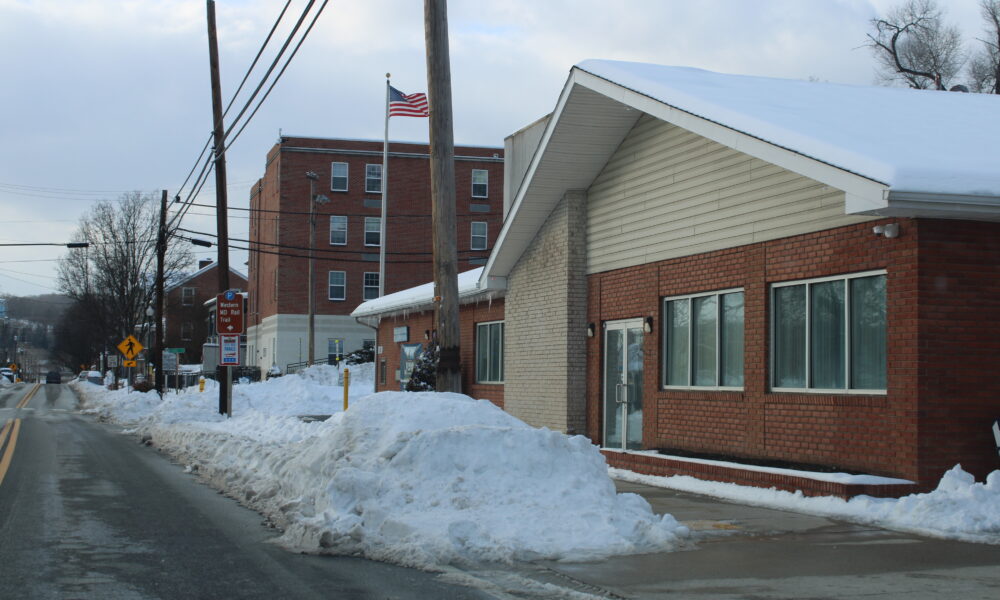
As winter weather settles into the area, residents are dealing with snow, ice, and dangerously cold temperatures expected to persist into next week.

Last weekend’s storm created hazardous travel conditions and increased the risk of power outages. The ongoing cold temperatures can still lead to frozen pipes as temperatures drop and stay well below freezing for the coming week.

Public officials are urging residents to take winter preparedness seriously as the storm approaches, emphasizing that early preparation can reduce injuries, property damage, and strain on emergency services.

Residents are encouraged to follow winter safety guidance issued by state and federal emergency management agencies. Officials stress that even routine winter weather can become dangerous when temperatures remain below freezing for extended periods.

Keep pipes from freezing

Frozen pipes are one of the most common winter-related problems during extended periods of extreme cold. When water freezes inside pipes, it expands and can cause pipes to burst, often resulting in extensive water damage once temperatures rise.

Emergency preparedness guidance from Ready.gov recommends allowing faucets to drip slightly during extreme cold, particularly in homes with plumbing along exterior walls. Opening cabinet doors beneath sinks can also help warm air circulate around pipes in kitchens and bathrooms.

Pipes located in basements, crawl spaces, garages, and attics can be protected with foam sleeves or other insulating materials.

Homeowners and renters are also advised to keep thermostats set to a consistent temperature, even overnight or when away from home, as lowering heat can increase the risk of frozen plumbing.

Residents are urged to locate their home’s main water shut-off valve in advance so water can be turned off quickly if a pipe bursts, helping limit damage.

Walking & Driving Safely

Snow and ice can make sidewalks, driveways, and roadways hazardous.

Winter driving guidance stresses reducing speed, increasing following distance, and avoiding sudden braking on snow or ice.

Drivers should also clear snow and ice from windows, headlights, and vehicle roofs before traveling. Cruise control should not be used in winter conditions, as it can increase the risk of losing control.

Pedestrians are encouraged to wear footwear with good traction, walk slowly, and take short steps to reduce the risk of slipping. Using handrails when available and keeping hands free can also help maintain balance on icy surfaces.

Emergency preparedness guidance also recommends keeping a winter emergency kit in vehicles with blankets, food, water, a flashlight, and a phone charger in case drivers become stranded or delayed.

Protecting yourself & your home during power outages

Winter storms can place added strain on power systems, and outages during extreme cold pose serious safety risks. Emergency officials advise residents to prepare for the possibility of losing electricity, particularly in rural areas where restoration may take longer.

To stay warm safely, residents should dress in layers and use blankets to retain body heat. Generators, grills, and charcoal should never be used indoors or in enclosed spaces because of the risk of carbon monoxide poisoning.

Residents are encouraged to charge phones and backup batteries and keep refrigerator and freezer doors closed as much as possible to preserve food. Battery-powered radios can help residents stay informed if power and internet service are disrupted.

Public health guidance warns that prolonged exposure to cold temperatures can lead to hypothermia and frostbite. Symptoms may include shivering, numbness, confusion, or slurred speech, and anyone experiencing these signs should seek medical attention. Keep skin covered to avoid excessive cold exposure and to retain body heat, especially with a hat, gloves, proper footwear and clothing layers.

Staying informed

State officials encourage residents to monitor local weather forecasts and emergency alerts as conditions evolve throughout the week. Taking steps now and following winter safety guidance can help reduce risks and keep residents safe as severe weather continues to impact the region.