



by Geoff Fox
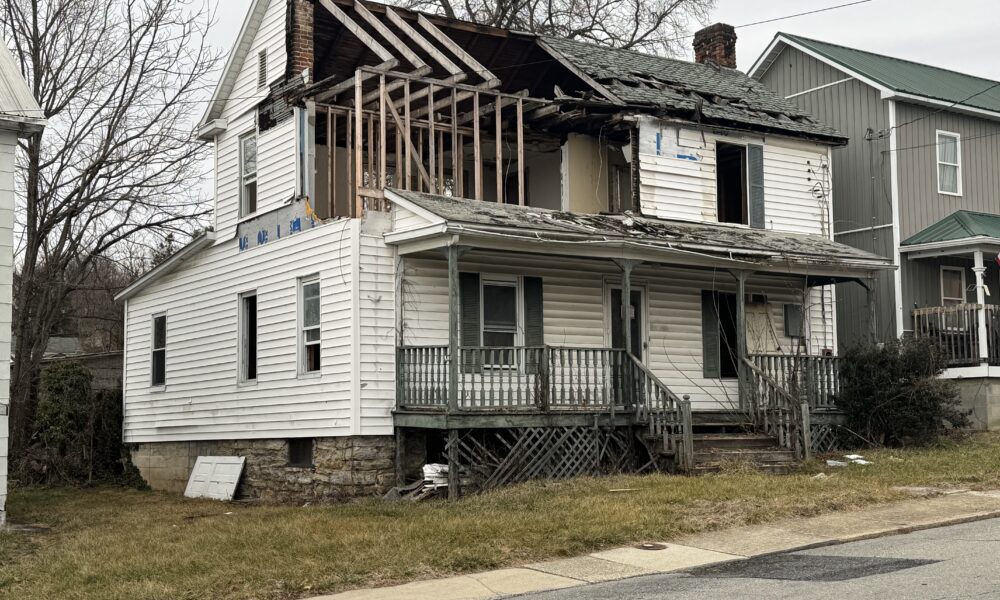
Letters informing property owners of the status of their responsibilities to remediate local blighted buildings have been sent for two properties on Main Street and High Street that were to be demolished but remain standing.
Town Attorney Ed Kuczynski told town officials the letters have been sent, adding, “of course we got no response.”
Town Manager Mike Faith said he did get a response from the property owner of the house dubbed “the pigeon house” asking what he needed to do. Faith said he didn’t respond to the email.
Faith later said the owner, Jordan Butts, hadn’t been responsive when trying to remedy the situation on High Street and, as a contractor, should know what needs to be done.
Permits to renovate the building were applied for, but the process was never completed, Faith added.
Kuczynski said the only option the owner would have would be to do remedial work or demolish the house.
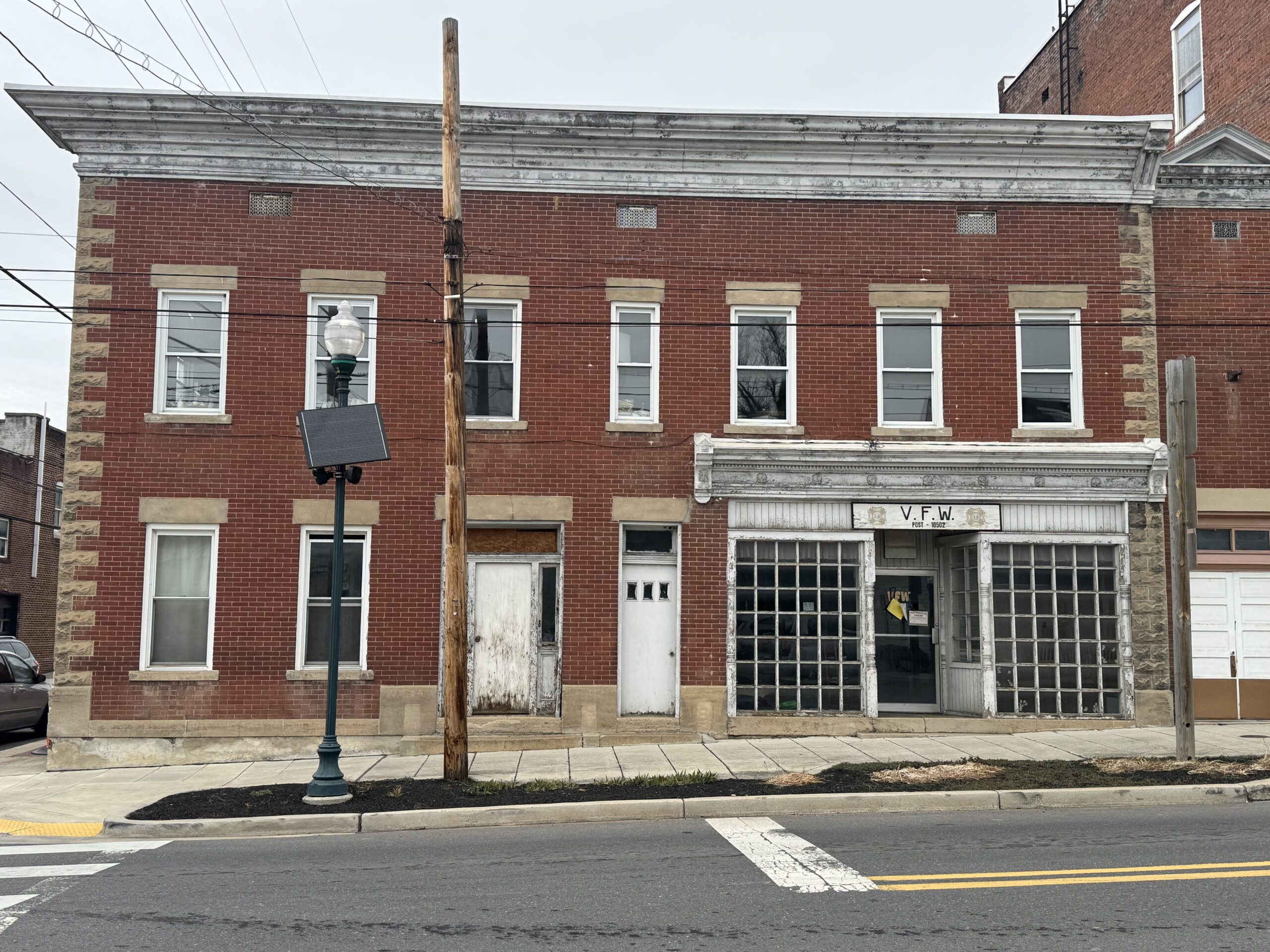
There are demolition orders for both that house and the Main Street property at the corner of Pennsylvania Avenue. Those orders were given last January by the Washington County Building Code Board of Appeals. 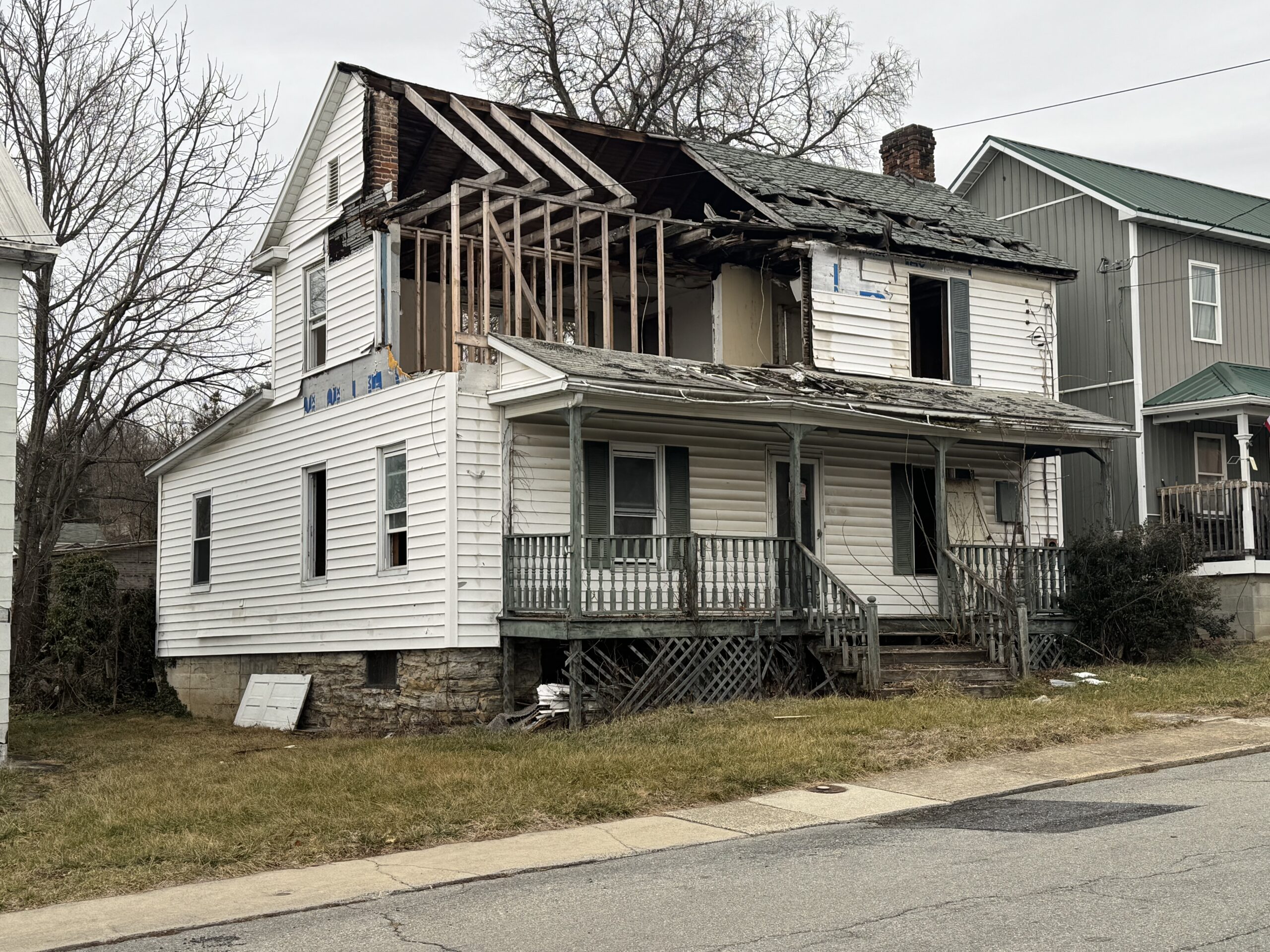
Kuczynski said the next step might be to issue more citations and start seeing if a threat of monetary penalties would spur action.
While the house on High Street has changed hands since the ruling, Kuczynski said the letter was sent to the current owner.
Hancock could become a guinea pig in this situation as more towns are looking at doing municipal infractions for violations of any code and that’s why the town designated them as small infractions.
“And all that’s good in theory, but what happens is once we issue the municipal infraction citations, it’s going to be a learning curve for us because the district court is where they go,” Kuczynski said.
The court would have to figure out what to do with the issue.
The town would also have to figure out the mechanics of the process as they’ve issued the citations and need to get them to district court. There would also need to be a trial date set.
Once things are figured out with these two properties, Kuczynski said it would allow other violations to ordinances to move along.
Kuczynski said he believes the fines are $1,000 a day for lack of action on blighted properties.
Lanehart said it might get the owners thinking if they start getting the fines.
Kuczynski said the process would be like a tenant/landlord court.
“Under that process, there’s the ability for the court to order abatements, in other words order the person to take the action, and then if they don’t, then they can potentially be found in contempt of court, the fines can be enhanced,” he said.
Kuczynski said he wished he could tell town officials from experience how it would turn out, but he does know the State’s Attorney’s Office would not prosecute these any more than they would minor traffic infractions.
“It’s up to us to blaze the trail,” he said. “Hopefully it gets blazed well.”
Hancock isn’t the only small town with blighted buildings, but it is the worst of the towns Kuczynski represents because other towns have buildings in better shape, the attorney said.
“But several of them do have blighted properties that need addressed,” he said.
Kuczynski added Williamsport is having a similar problem but he didn’t go into detail on how the extent of that town’s problem.
“Once we get through these first two, then we’ll know what’s going on,” Lanehart said.
The blighted properties issue didn’t start within the last couple years, they’ve been in “rough shape for a long time,” the mayor added.
If the town were to demolish the buildings, there would be a cost associated with doing so.
Faith said the previous owner of the High Street property was told it would cost around $30,000 to demolish the house, which he said the town could do and put a lien on the property.
“Maybe we end up with the property, maybe we get our money back,” he said.
Kuczynski said that would only happen if the property owner voluntarily transfers the property, which makes sense to demolish the house.
“As a vacant lot, you might get your money back or most of it,” Kuczynski said.
When it comes to the building at 144 West Main Street, there’s at least a $250,000 in just tipping fees to dispose of the building materials contained in the property.
Faith said you can’t remediate one problem by demolishing it and not handle the other property differently.
“You have to treat everyone the same,” Faith said.
Kuczynski said the whole process is a learning process for the judges as well as he believes no judge in district court has heard similar cases yet.