



by Geoff Fox
Every Thursday in the small meeting room in Hancock’s Town Hall, room 101, is a person waiting to help anyone encountering abuse in their life.
CASA, or Citizens Assisting and Sheltering the Abused, has set up a table to help those in the area – male or female, adult or child – who have suffered any type of abuse.
Renee Caldera, Director of Community Services for CASA, said the organization is most known for their temporary emergency shelter but they offer much more.
The shelter is in Hagerstown at a private location.
If there is a survivor who is trying to get out of a toxic situation, they have nowhere else to go, CASA brings them to the shelter for 30 days.
“While they’re there, they do work with an advocate. They meet weekly on goal planning to figure out what their next step from there,” Caldera said.
CASA advocates don’t want an abused person going back to that situation. Caldera said they want the person leaving with a plan with where they are going — whether that be finding employment, apply for housing, meet with local landlords, or “whatever the case may be.”
While the support and services are available at the main CASA offices in Hagerstown, those same support and services are available at the Hancock site in Town Hall once a week.

Caldera said there’s also legal planning with an advocate available if the person needs it.
What that means is CASA can help file protective orders for victims.
“We’ll go through the whole process from the temporary to the final protective order, sit with them through court, file the petition to even get the protective order,” Caldera said, adding if there’s also any kind of legal charges, CASA would be able to get payments with them in court as well.
For those who don’t have transportation, Caldera said CASA would work with United Way to find transportation options such as Uber or Lyft. If the situation arose where a person needed to get to a shelter, CASA would look at Uber and Lyft as well to get them to the shelter.
Caldera said there are crisis counseling, crisis support, and medical advocates at Meritus Medical Center.
It may be a little far from Hancock, but Caldera said if medical treatment is needed, a CASA advocate will stay with a client through their time at Meritus.
The group also organizes and presents prevention education and community training so community partners know what’s available to help anyone in an abusive situation.
It’s a misconception, Caldera said, that it’s just women in these situations. CASA’s services are open to men, women, and children.
There have been cases where they have been contacted by schools and police with situations with kids.
“We are mandated reporters,” Caldera said.
If there’s abuse going on at home and it’s both mom and dad, CASA would contact Child Protective Services (CPS) immediately and investigate.
“That’s always our priority — any survivor safety,” she said.
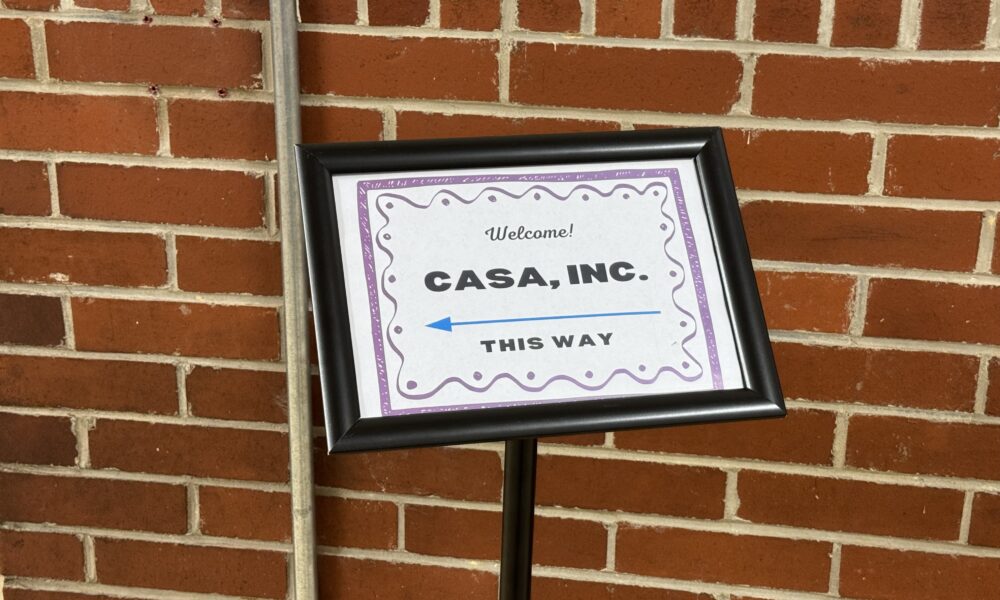
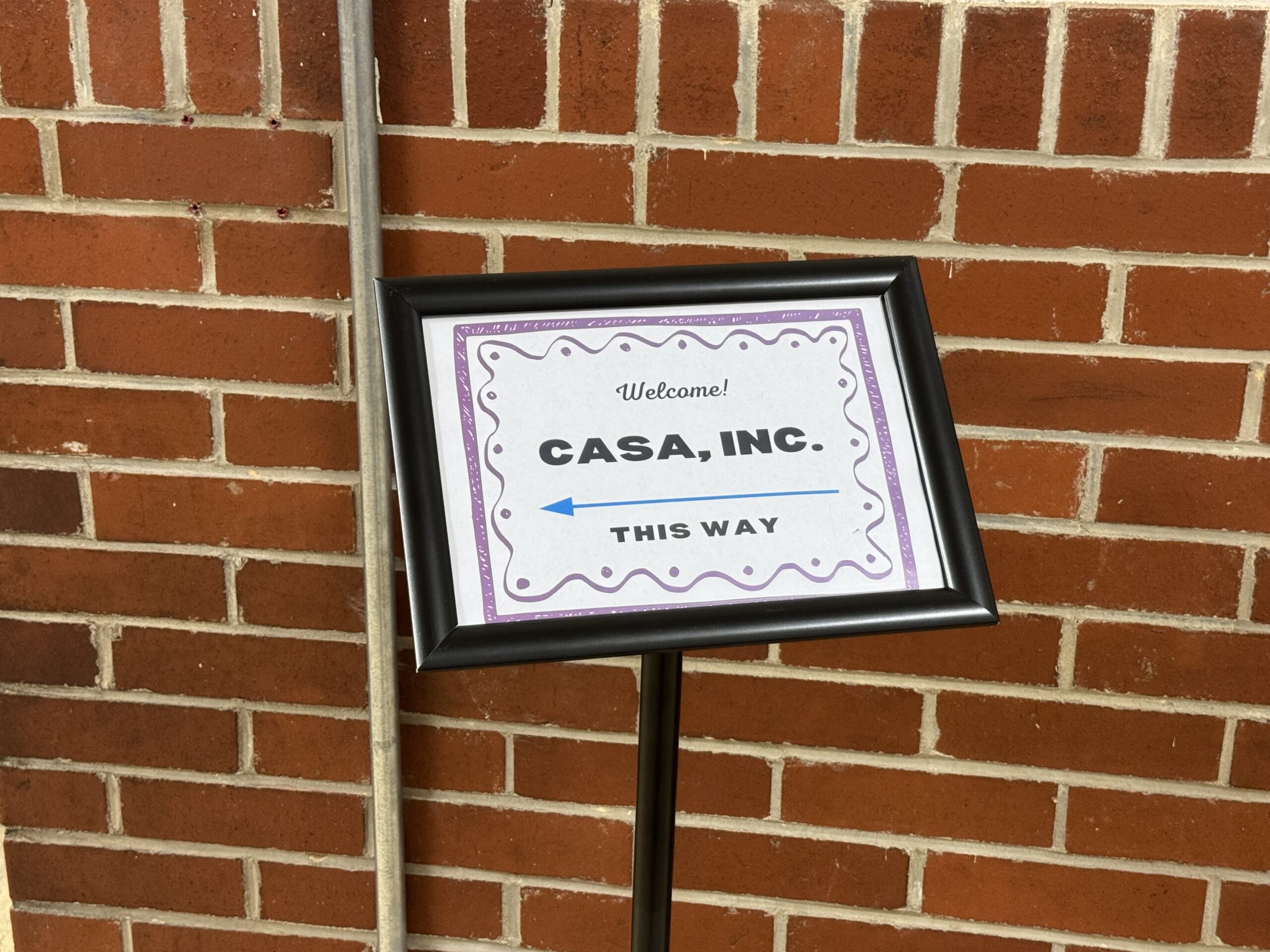
Should the need arise for someone in Hancock to need CASA services, Caldera said the easiest way would be to stop in the office at Town Hall on Thursdays between 9:30 a.m. and 3 p.m.
For security reasons, the door is locked while the person is at the office. Anyone coming to the Hancock location should call the hotline number at 301-739-8975 to let CASA know they are there.
“You don’t know if maybe an abuser will show up, and that’s happened before. You could have somebody come that’s not really happy with CASA, with our services, or just life in general,” said.
Caldera said the hotline is a 24-hour, seven day a week hotline where someone will answer to help provide CASA’s services or other resources.
The length of the session varies from client to client, depending on their need and situation they’re going through, and depending what sources or resources they’ll need. Caldera said sessions last, on average, a half hour to an hour.
“We don’t want to keep them forever,” she said. “They’re already going through a crisis situation so to keep them there and drag the day on further, we just like to get them connected to services and then keep them moving to what the next step is.”
Caldera said they want to reach as many people in the area as possible because there’s not a whole lot in services to help victims of domestic violence here.
There have been survivors they’ve helped from other areas outside of Hagerstown, but they’ll do a shelter-to-shelter transfer if needed.
A lot of times, clients have children who are in school, so CASA doesn’t want to pull the kids out of the school. They may also receive benefits from the state they’re in, so “it’s a lot to have to transfer EBT SNAP benefits or cash assistance benefits to another state,” Caldera said.
photos by Geoff Fox
“For those reasons, we try to keep them in the state they’re in if we can, but if that’s not an option or they’re not safe, then we will absolutely still bring somebody to CASA for our services if need be,” she said.
Caldera said those outside Washington County and Hancock can come to the Hancock location. She said people have come to CASA in Hagerstown from Baltimore County and Virginia locations.
“If they can’t get services where they’re at, that’s not going to be barrier for us to be able to step in and help provide them with what they need,” Caldera said.
Caldera wanted those who might be in an abusive situation to know they are not alone and worthy of so much more and deserve so much more than abuse.
“They don’t have to feel like they’re alone,” she said. “We are here to help and we want to help and we are ready on standby, 24 hours a day, seven days a week to provide them with whatever resources or service they need.”
The hardest part, Caldera said, is the first step to reach out and then take the next step to get better and do better for themselves.
“We’re here to help make that happen,” she said.