
by Lisa Schauer
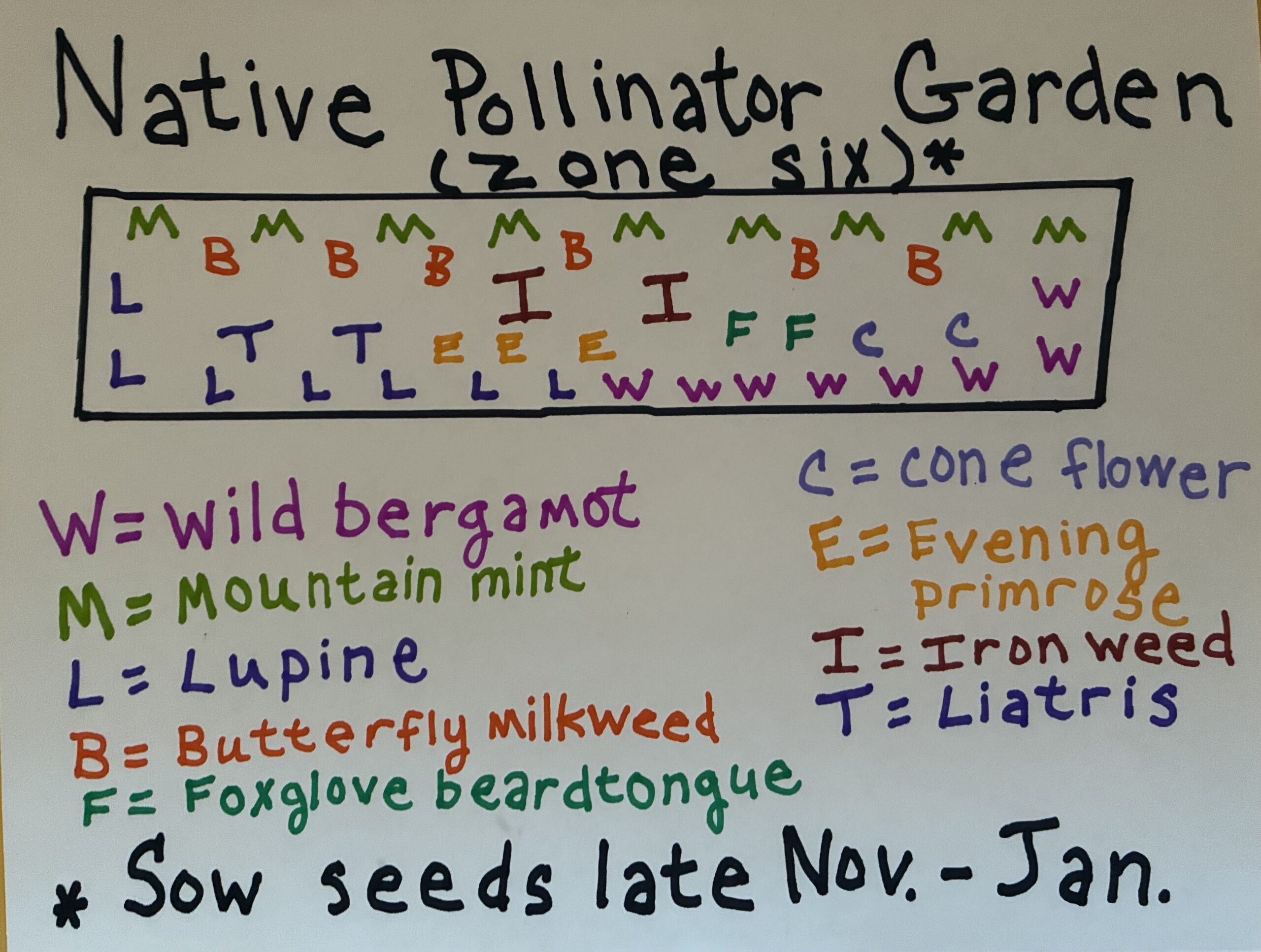
From late November until early January, the window is open to start a native pollinator garden outdoors, just like nature intended.
Native seeds need to freeze first before sprouting in early Spring. Then year after year, they spread a blanket of brilliant colors across the landscape, blooming in succession from May to November.
Start with fresh, local seeds. Check your local garden club or even library for free seeds or recommendations for seed sources.
Deer hate wild bergamot, a drought-resistant pollinator magnet with pink-purple blooms and aromatic leaves.
Perennial Lupine is another deer deterrent. They can grow in partial shade and have spiky lavender blooms.
Native Mountain Mint doesn’t spread like the edible variety, and its aroma detracts deer.
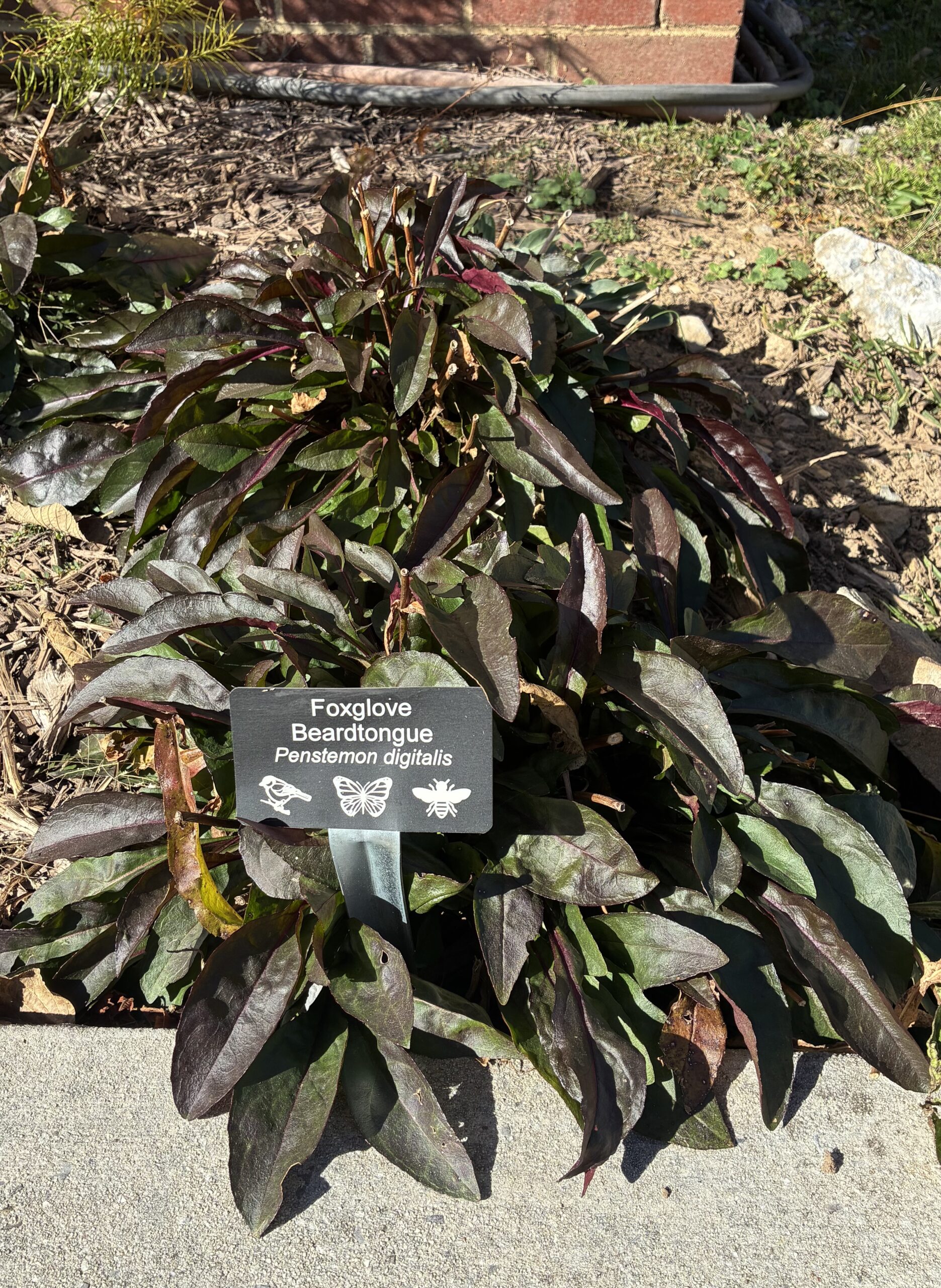
In Washington County, plant these deer-be-gone native seeds around the edges of your garden in late Fall to early Winter, lest your work go in vain.
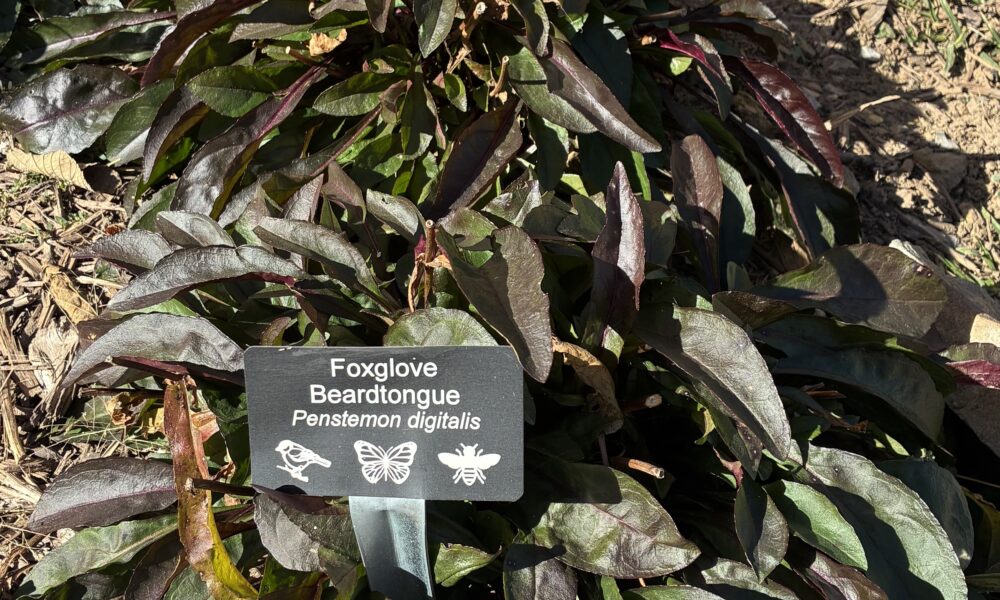
Other local seeds to plant now include Butterfly Milkweed, Ironweed, Cone Flower, Evening Primrose, Foxglove Beardtongue, and Liatris, commonly known as Blazing Star.
When it’s time to sow, till some seed starter into exposed soil in full sun. Scatter the seeds on top, or no more than a quarter-inch deep, and just walk over them so they contact the soil.
Don’t over mulch. Most pollinator seeds need sunlight to germinate. Leave a light layer of leaves, bark or straw on top, to hide the seeds from hungry squirrels and birds.
Then leave seeds alone for winter.
Water tiny sprouts lightly for the first four to six weeks in early Spring. If a Summer drought hits, water deeply.
Then sit back and enjoy the show, as a barrage of butterflies, birds, and bumblebees feast on the sweet nectar of native flowers all season.
“…And no birds sang”
Most native flowers are not wind pollinated. They need animals, including insects, birds, bats, and even some mammals to reproduce.
Apple trees, blueberry bushes, lavender, clover, sunflowers, alfalfa and a myriad other trees and plants also need help from animals to pollinate.
Without the presence of pollinators, a domino effect would take place on earth, making it impossible for entire species to reproduce, grow and thrive.
Rachel Carson, a pioneering scientist, writer and advocate, meticulously documented the link between plants, animals and human health in her groundbreaking book, Silent Spring, published in 1962.
Carson was a “lonely listener,” as described by Al Gore in a foreword to the book.
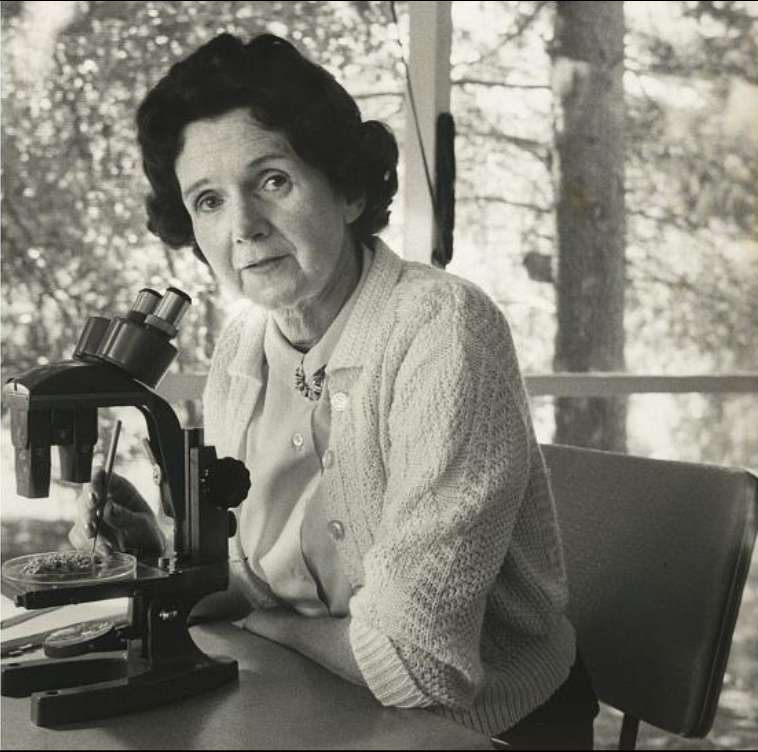
Photo courtesy of the National Portrait Gallery.
In 1958, Carson heard about an Illinois housewife who wrote a letter to Robert C. Murphy, director of the Smithsonian Institutes, reading, “Spring comes unheralded by the return of birds, and early mornings are strangely silent.”
The housewife asked Murphy if the birds were coming back, was there anything she could do, and what to tell the children?
Similar letters started pouring in from Massachusetts, Alabama, Louisiana, Michigan, and West Virginia.
West Virginia’s bird population was undergoing an “incredible reduction,” wrote Maurice Brooks, a professor at West Virginia University.
A wide-spectrum, and quite popular pesticide called DDT was being sprayed widely on Elm trees in America at the time, to combat Dutch Elm disease, a fungus that entered the country in 1930, carried by beetle flies.
Carson’s extensive scientific research, combined with her lyrical prose, widely exposed the pesticide as causing an environmental disaster.
Despite fierce gender-based attacks from the chemical industry, Carson’s magnum opus, Silent Spring is credited with starting the modern environmental movement, leading to the creation of the Environmental Protection Agency and the Clean Water Act, among other environmental protections to follow.
Rachel Carson identified environmentalism as a human rights issue. Although she gave few public speeches, she lobbied to raise awareness of the link between human health and the planet’s health, long before it was fashionable.
Carson chose to end her masterwork with a poem by Robert Frost – “The Road Not Taken” – as a bellwether for future generations to be courageous, and think long, before it’s too late to turn back.
I shall be telling this with a sigh
Somewhere ages and ages hence:
Two roads diverged in a wood, and I –
I took the one less traveled by,
And that has made all the difference.
– Robert Frost
Planting your own native pollinator garden has the appeal of bringing beauty to your own garden, and welcomes the creatures who ensure we will have blooms and fruit and food for seasons to come.