
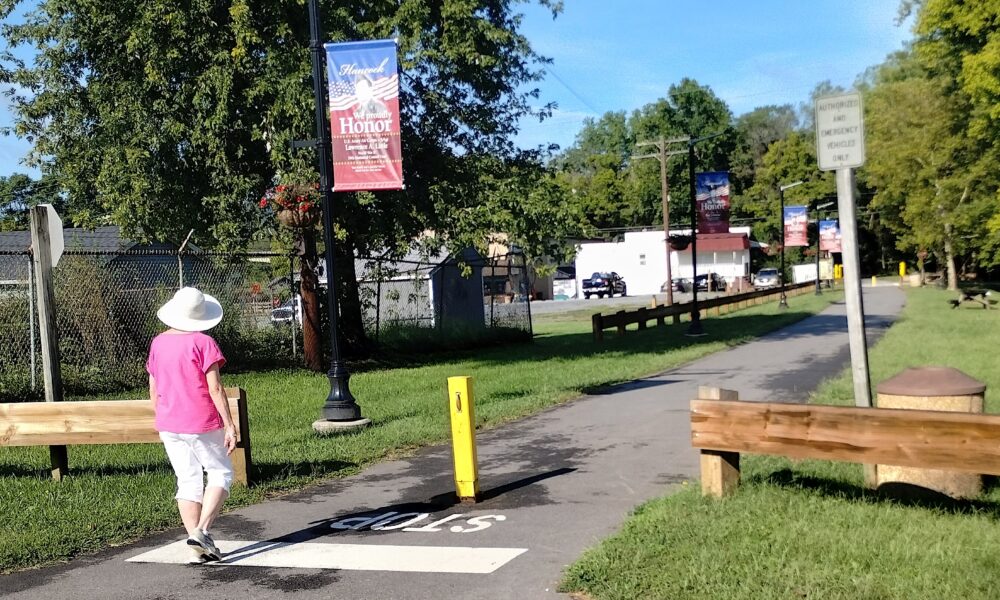




What happens when a place you always felt safe and welcome suddenly feels full of hazards to watch out for?
That’s how a longtime Hancock resident feels about the trail where he walked and biked regularly until recently.
Calling himself an “elderly concerned citizen,” this Hancock News reader got in touch with the paper to share his experience going from daily use of the Western Maryland Rail Trail to choosing a different place to stay active.
Because it is paved, the Western Maryland Rail Trail is an ideal path for older and physically challenged walkers who need a more even surface to trek. It’s also perfect for folks using assistive tools like walking frames and wheelchairs, offering a place to enjoy Hancock’s outdoor legacy and stay physically active.
That’s one of the features that Maryland Department of Natural Resources promotes about the trail.
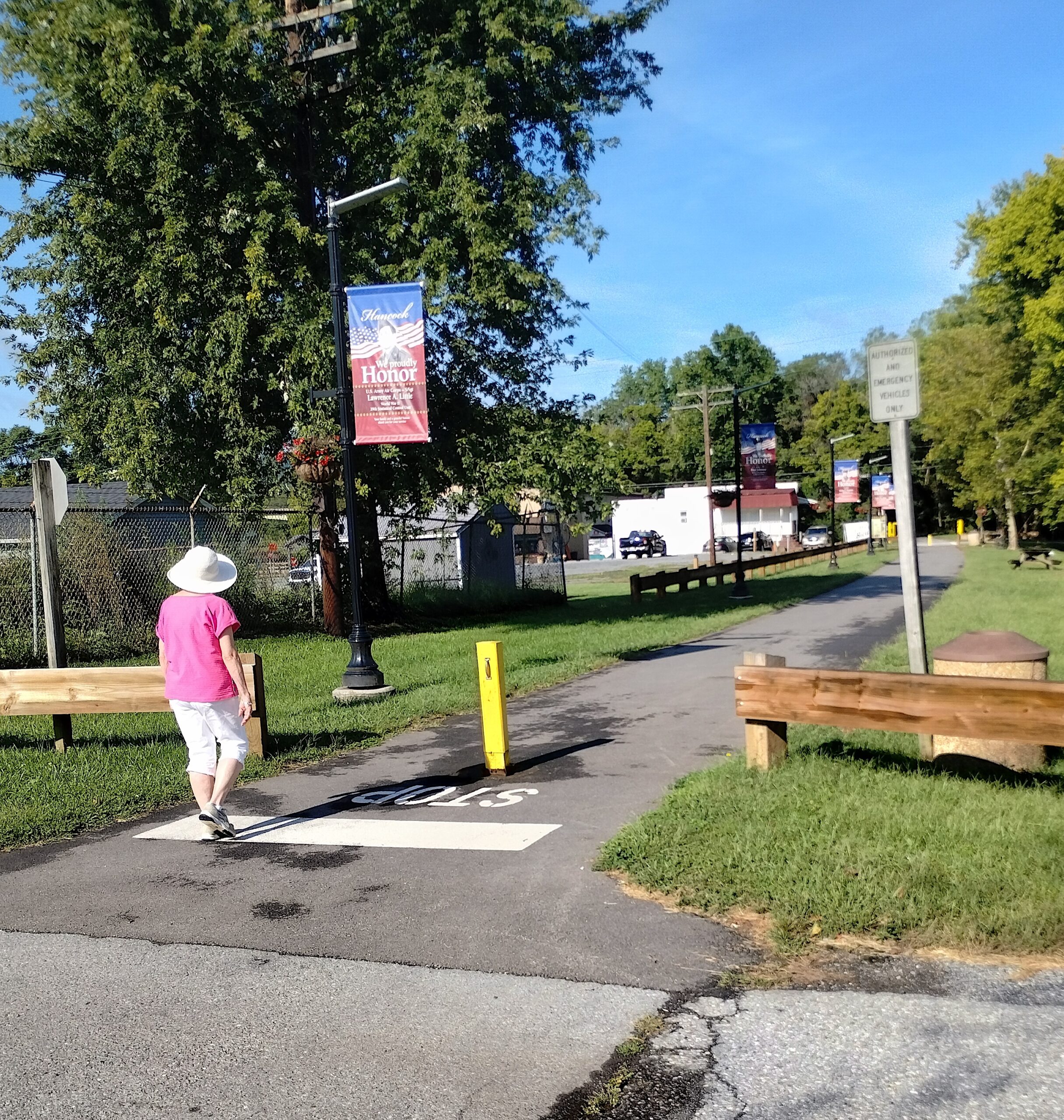
“The easy grade and paved surface make this trail ideal for families, the elderly, and persons with limited mobility,” the DNR website about the Rail-Trail says.
For the 83-year-old former trail user, it afforded he and his wife a way to keep walking together even when she began needing a wheelchair to get around.
But a few near misses made him feel the Rail Trail is no longer a safe place for his daily walks.
“I don’t even walk the Rail Trail anymore because of safety concerns and near misses,” he told The News. “My concern is for safety for walkers and joggers.”
He feels this is particularly true since the advent of e-bikes, or bicycles that have a power assisting their movement.
E-bikes allow riders to go faster with less physical effort than traditional pedal bikes, and they are seen more and more on trails and roads.
On shared trails like the Western Maryland Rail Trail, there is a set of rules about which trail users have the primary right-of-way and which must yield, and who cannot use the trail at all.
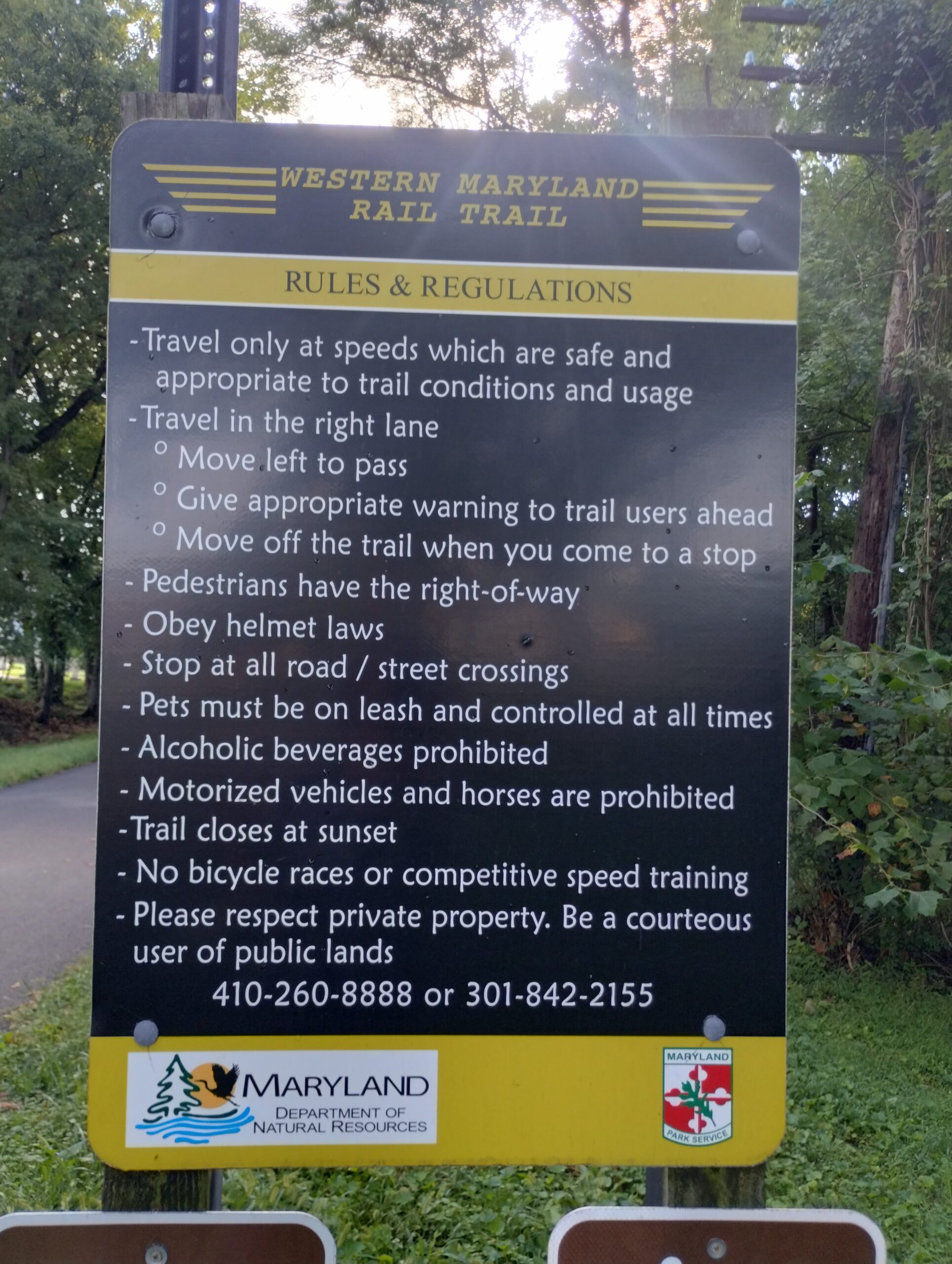
A sign in Hancock at the entrance to the Western Maryland Rail Trail near BuddyLou’s specifies the rules.
Motorized vehicles and horses are prohibited on the paved trail. Walkers and joggers have the right-of-way and bikers are expected to yield to those on foot, to slow their speed around pedestrians and to notify walkers or runners when their bikes are approaching from behind.
These are all safety steps meant to keep bicycles and people on foot from colliding unexpectedly, or being pushed off the trail.
Pets on the trail are also supposed to be leashed, so they are under control of their owners. That’s another safety rule meant to protect non-pet trail users from encountering an animal unexpectedly and having a bad experience.
Fort Frederick, part of the Maryland Park Service, governs the Western Maryland Rail Trail.
According to their trail website, Class 1 Electric Bicycles can use the Rail Trail. Class 1 e-bikes have pedal-assist only and have a top speed of 20 miles per hour. Bikes with throttles or a higher speed rating are not allowed on the Rail Trail.
Sandi Olek, Maryland’s Director of the Office of Outdoor Recreation with the DNR, told The Hancock News that new e-biked rules rolled out in July, but they didn’t change the kind of bikes allowed on the Western Maryland Rail Trail, which already allowed Class 1 e-bikes.
“What’s changed is the popularity and frequency of those bikes on trails,” she said.
“We see the e-bikes growing and we knew they were already in our parks,” Olek said. That recognition spurred a move to make new regulations that are clear about how the new generation of cycling fits into public lands in Maryland.
Olek noted that if a trail has a speed limit posted on it, that limit remains primary, even if an e-bike can go faster. She noted that’s the case at Assateague, where there’s a 15-mph speed limit.
Larger signs with bike and safety rules are needed, the longtime trail user suggests. Park officials should urge trail visitors to “Read before you Ride,” he said.
Olek said she agrees that the public could use more education about how to use trails in various ways and her office is making videos and brochures to spread that message.
“You have to be a good neighbor,” she said.
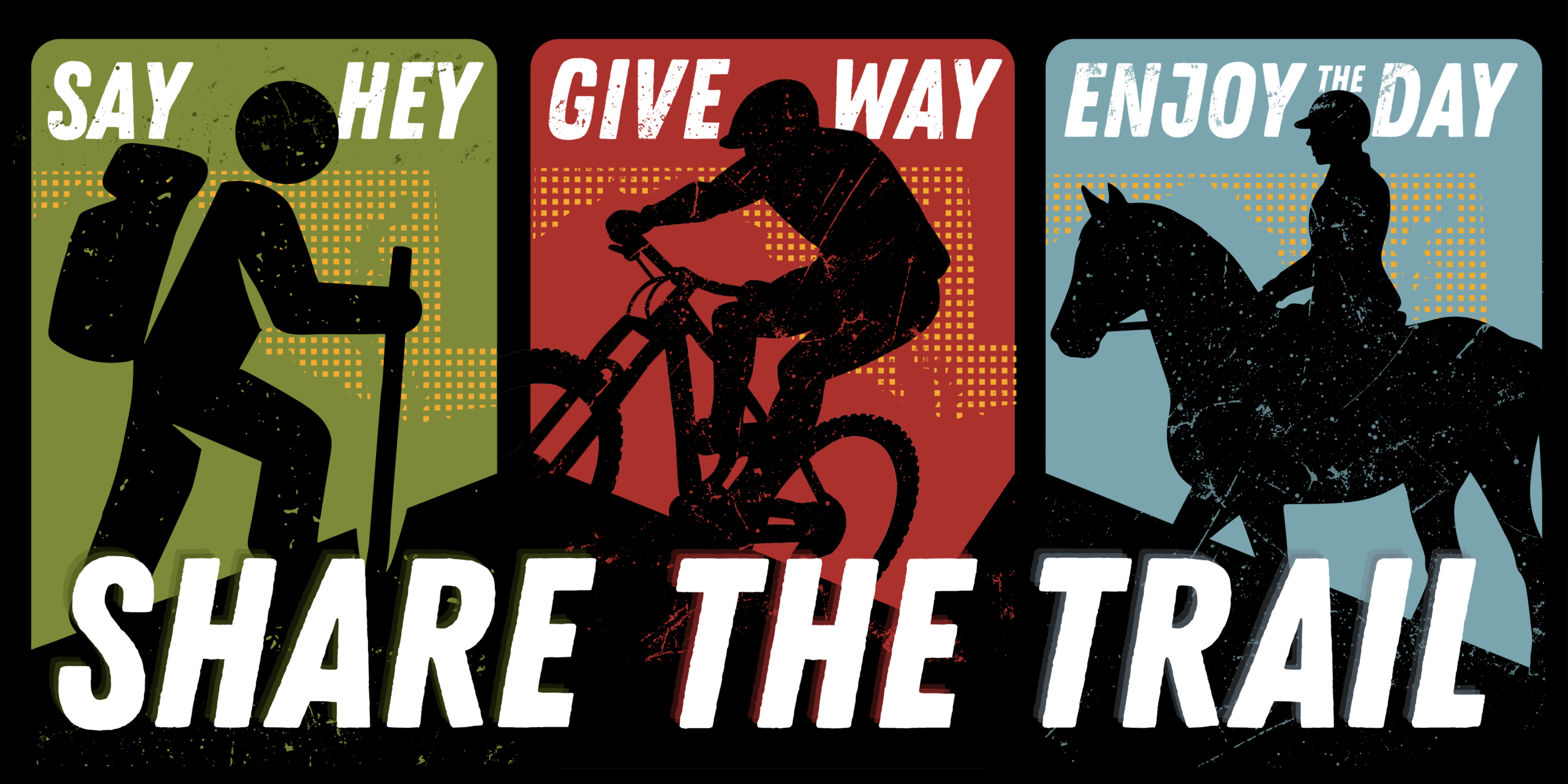
courtesy of Maryland DNR
One of the efforts her office is undertaking is reminding people who has the right-of-way on trails. Bikers yield to pedestrians, and all trail users yield to horses where they are allowed.
“We’re releasing guidance on trail etiquette, and who yields to who,” said Olek. “There are slow users and fast users and we’re trying to make fast users more aware.”
This is especially true for visitors coming from other locations, where e-bikes may be more popular and trail rules could be different when it comes to their use.
Clearer messages should be put in place to say that bikes with throttles and certain speed capacity just aren’t allowed on the Rail Trail.
There used to be law enforcement patrol of the local trails in Hancock by bicycle, but that doesn’t appear to be as frequently seen these days.
“I want Hancock to have tourism,” said the Hancock senior. “The emphasis needs to be on public safety.”
“What happens if an elderly person on the Rail Trail gets hit by an e-bike?” the older trail user asked. “I stay off Western Maryland Rail Trail now and walk Berm Road. It’s not likely I’ll get back on the Rail Trail.”
Olek and her office agree about the importance of safety and the risks to all if bicyclists, walkers and runners don’t share the trail with courtesy.
She said her office is looking at making partnerships to spread the word about safe trail use for all in the era of e-bikes and increased trail use.