




The first fall frost date for our region, based on 1991-2020 climate date from the National Oceanic and Atmospheric Administration (NOAA), is October 15, bringing a close to the 166-day growing season for most crops.
In late August and early September, there’s still time to plant fall and winter crops if you hop to it now.
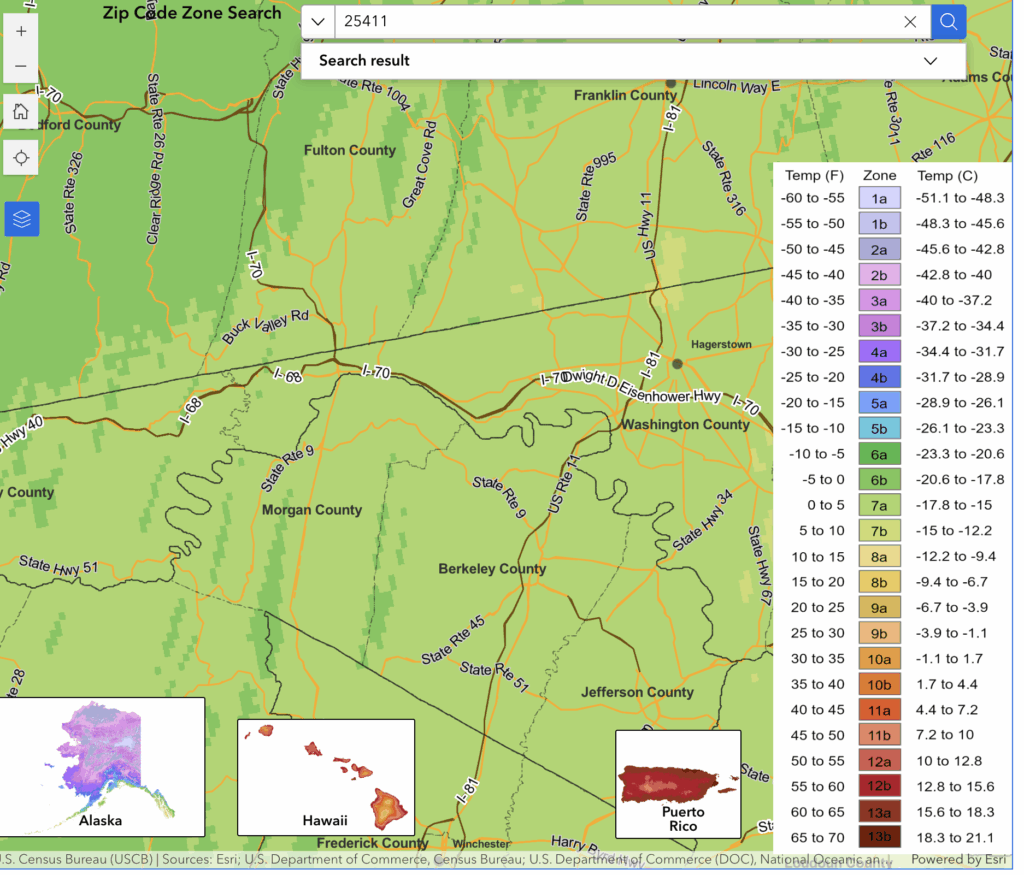
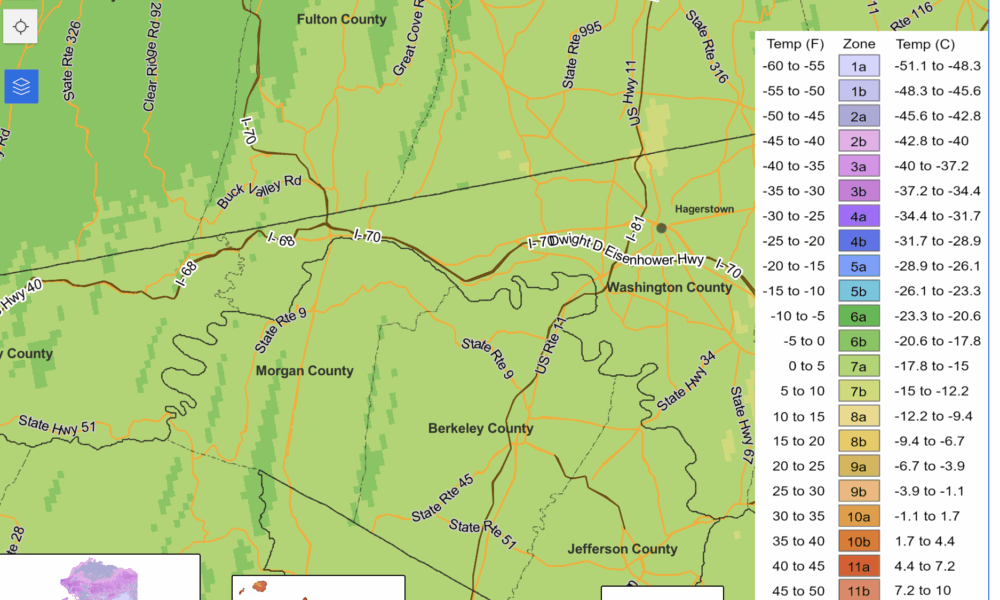
Our area is primarily in Plant Hardiness Zone 7a, according to the U.S. Department of Agriculture. You can use their planthardiness.ars.usda.gov tool to enter your zip code to find out your exact zone, as they can vary even inside regions.
Peas
A late-season round of peas, for example, can be planted in late summer or early fall, ideally 6-8 weeks before the first fall frost.
According to the Farmers Almanac, frost might not hurt emerging plants but if the temperatures are in the teens for several days, they might not survive. An alternative to protect your young crop is to use a cold frame or cover of some kind.
Some garden folks like to soak their pea seeds overnight to plump them up, giving them a headstart toward germinating in the garden soil. 
Greens
Vegetables in the brassica family — cabbages, kale, broccoli, cauliflower and Brussels Sprouts – are good candidates for late summer planting and fall maturing.
It’s best to plant seedlings if possible, so the plants have time to establish before any real cold sets in, but kale is a forgiving veggie and can do well being planted directly into the garden soil if you do it now.
Some lettuces can germinate quickly and produce a fall leafy crop if you get started now.
Herbs
Parsley can survive temps down to 10 degrees Fahrenheit, making it hardy into the fall. If planted in the ground, parsley can sometimes overwinter, especially if it’s covered before the hard winter weather comes.
Rosemary is also hardy down to around 10 degrees. It can overwinter if a thick layer of mulch is placed around the base of the plant to insulate the roots. Some people cover their rosemary, when possible, to bring it through the cold season.
Chives are a hardy perennial that will keep growing in the warmer parts of fall. In spring, chives planted in the ground will re-emerge with abundance if they got enough water during their growing season.
Cilantro can also be planted in the fall, but isn’t quite as hardy as its other herbal cousins since it likes temperatures between 50 and 85 Fahrenheit the best.