




by Mark Richardson
West Virginia News Service
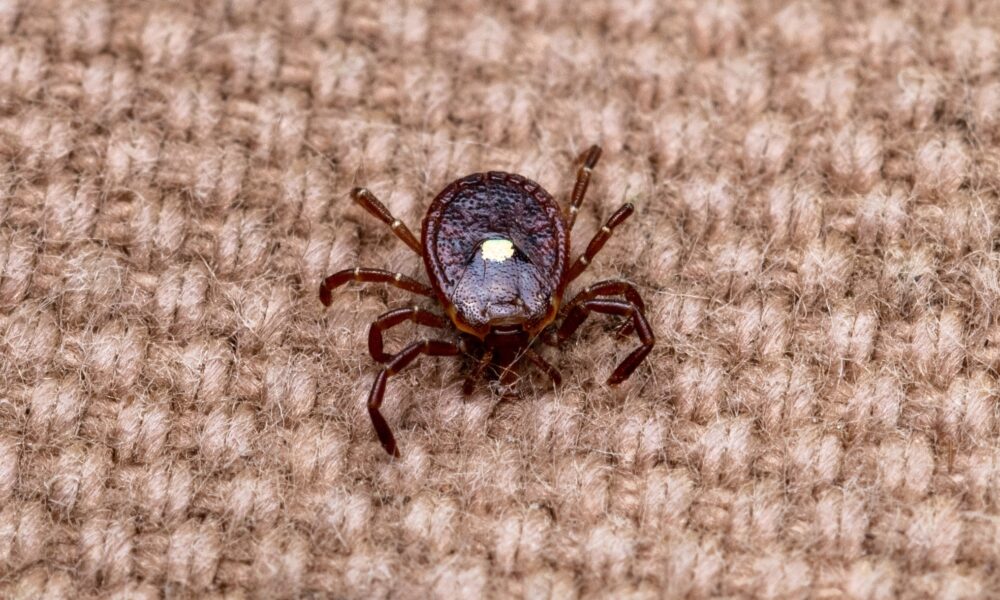
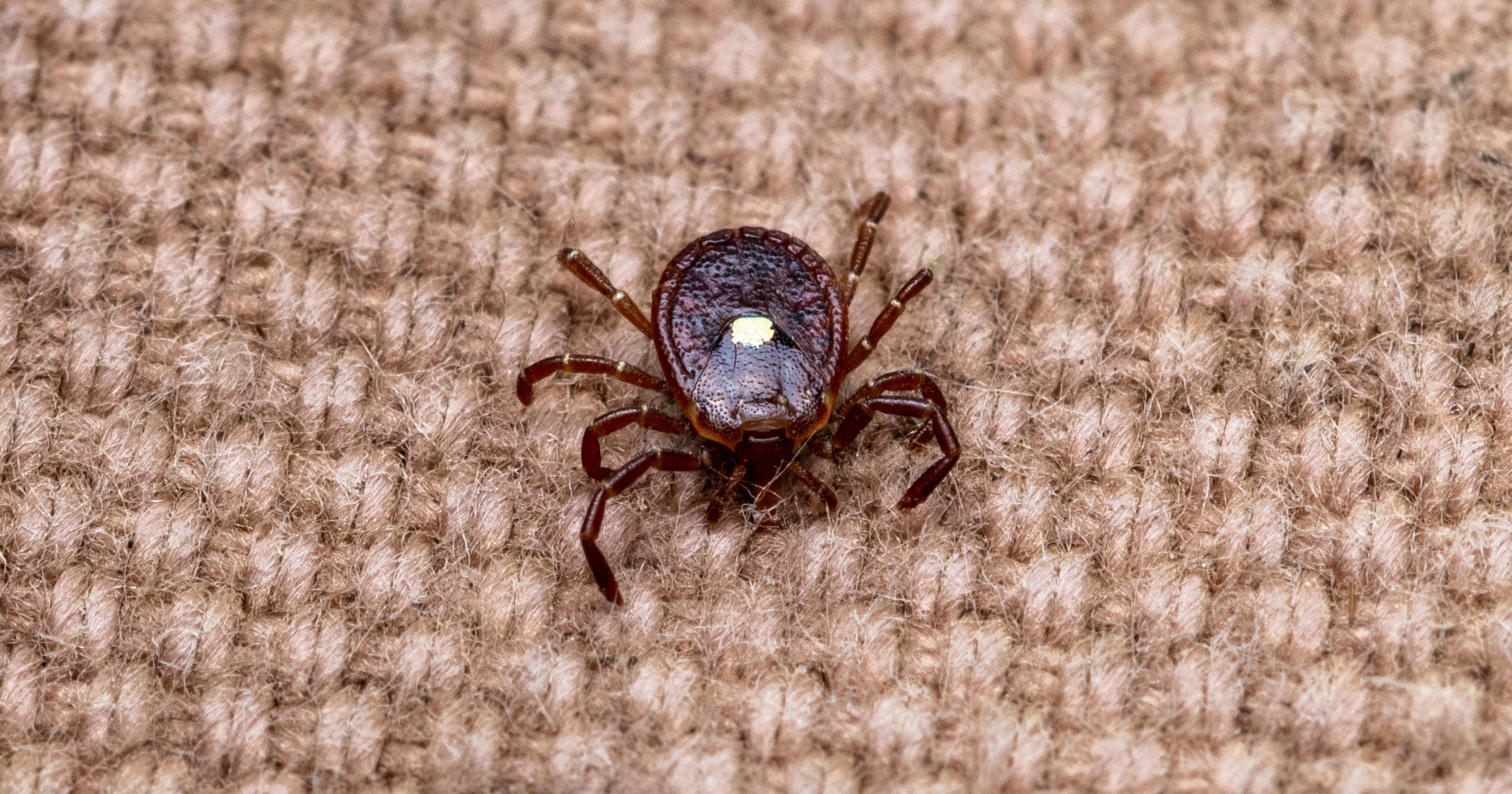
West Virginia is seeing a sharp rise in alpha-gal syndrome as lone star ticks spread across the state.
The tick-borne condition can make people allergic to red meat, dairy and other products from mammals. Reactions can include stomach problems, hives, wheezing and trouble breathing.
Madison Flory, fellow at the West Virginia Science and Technology Policy Initiative, said state figures are showing a steep uptick in the numbers.
“The West Virginia Department of Health, as of August 27th, has 93 confirmed or probable cases, whereas last year at about that same time, there were only 14 cases,” Flory reported.
Alpha-gal became a reportable condition in West Virginia in 2025. Flory said symptoms can be difficult to connect to food because reactions are often delayed. She urged people to cover exposed skin, use insect repellents and check for ticks after spending time outdoors. She pointed out rural West Virginians may face greater exposure.
“There’s a higher rural population, so people might be spending more time outdoors in the woods doing outdoor activities that might put them into higher proximity of these kind of ticks,” Flory explained.
Flory stressed because healthcare providers must now report identified cases, it is easier to track the disease and identify hot spots. People diagnosed with the syndrome generally manage it by avoiding foods and products containing the alpha-gal sugar molecule. But she added it should be treated as a serious condition.
“It definitely could if somebody has an anaphylactic response to it. If you don’t get medical attention for that, it could not end well for you,” Flory cautioned.