


by Lisa Schauer
Winter will be colder than normal in Morgan County this year, according to The Old Farmer’s Almanac.
The coldest periods will occur in mid- and late December, early and late January, and early February, while the most snow will arrive in late December, late January, early and late February, and mid-March, according to the trusty Almanac, founded in 1792.
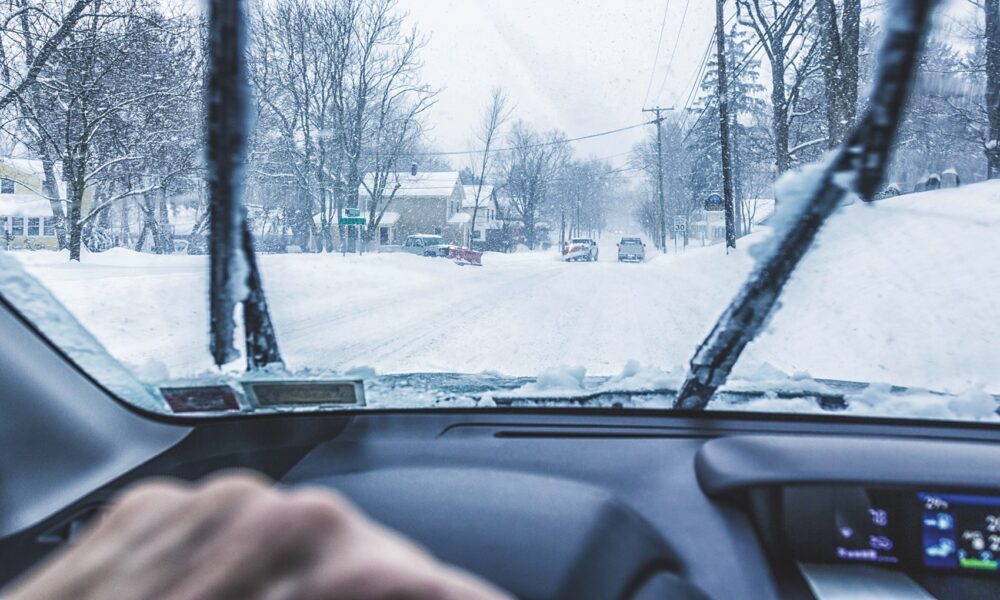
Roads can worsen quickly here in winter, with their hills, bridges and switchbacks turning icy, through an active wildlife population.
During hunting and mating season in late fall, deer and other animals become more likely to run in front of your vehicle, especially at dusk or dawn. 
Drivers can lower their chance of a collision by preparing their vehicle for winter and always following safety protocols while driving.
Ensure your tires are properly inflated and have plenty of tread. Buy the best tires you can afford.
Keep at least half a fuel tank and stash a bundle of cold-weather gear in your trunk, such as snacks and water, a blanket, flashlight, and glass scraper.
Include a white shirt in your safety pack to stick outside your window if you are stranded, and don’t leave your vehicle.
AAA offers these driving tips for late fall and winter:
- Do not use cruise control when driving on any slippery surface, such as on ice and snow.
- Stay home. Only go out if necessary. Even if you can drive well in bad weather, it’s better to avoid taking unnecessary risks by venturing out.
- Drive slowly. Always adjust your speed down to account for lower traction when driving on snow or ice.
- Accelerate and decelerate slowly. Apply the gas slowly to regain traction and avoid skids. Don’t try to get moving in a hurry and take time to slow down for a stoplight. Remember: It takes longer to slow down on icy roads.
- Increase your following distanceto five to six seconds. This increased margin for safety will provide the longer distance needed if you have to stop.
- Know your brakes. Whether you have antilock brakes or not, keep the heel of your foot on the floor and use the ball of your foot to apply firm, steady pressure on the brake pedal.
- Don’t stop if you can avoid it. There’s a big difference in the amount of inertia it takes to start moving from a full stop versus how much it takes to get moving while still rolling. If you can slow down enough to keep rolling until a traffic light changes, do it.
- Don’t power up hills. Applying extra gas on snow-covered roads will just make your wheels spin. Try to get a little inertia going before you reach the hill and let that inertia carry you to the top. As you reach the crest of the hill, reduce your speed and proceed downhill slowly.
- Don’t stop going up a hill. There’s nothing worse than trying to get up a hill on an icy road. Get some inertia going on a flat roadway before you take on the hill.
What to do if an animal runs in front of your vehicle
- Scan the road and shoulders ahead of you. Looking ahead helps provide enough reaction time if an animal is spotted. Also, remember some animals move in groups, so when there is one, there are usually more in the area.
- Use high-beam headlights if there’s no oncoming traffic. Wildlife may be spotted sooner when using high beams. This will give the driver time to slow down, move over or honk the horn to scare the animal away. High beams also help in spotting some animals’ reflective eyes.
- If a collision is unavoidable, apply the brakes firmly and remain in your lane. Swerving to avoid an animal can often cause a more serious crash or result in drivers losing control of vehicles.
- Be extra cautious at dawn and dusk.Most animals, especially deer, tend to be more active early in the morning and at dusk.
- Slow down and use extra caution when traveling through areas with a high and active wildlife population. Be aware of increased wildlife movement in some regions during certain times of year, such as hunting or mating season.
- Drivers should always wear a seat belt and remain awake, alert and sober.